
For years, design has been treated as a supporting role — something that comes after decisions are made, strategies are set, and plans are finalized.
In 2026, that mindset no longer works.
I approach design as a business strategy, not a visual afterthought. When design is intentional, it directly influences how a brand is understood, how customers experience it, how it stands apart in competitive markets, and how loyalty is built over time.
Good design doesn’t just look good. It performs.
Design Clarifies Your Message
If people don’t understand what you do, they won’t engage — no matter how good your product or service is.
I use design to bring clarity to complex ideas. Through hierarchy, typography, layout, and visual structure, design helps guide attention and simplify information so audiences can quickly grasp who you are, what you offer, and why it matters.
Brands with clear, consistent messaging don’t just communicate better — they convert better. When the message is clear, trust builds faster and decisions become easier.
Design Shapes the Customer Experience
Customer experience is shaped long before a purchase is made.
Every interaction — a website visit, a landing page, a campaign, a digital product — either creates momentum or introduces friction. I design experiences that feel intuitive and intentional, removing obstacles and guiding people naturally toward action.
When design works well, users don’t have to think. They feel confident, informed, and in control — and that leads to higher engagement, stronger conversion rates, and better retention.
Design Differentiates You in Crowded Markets
Most markets today are saturated. Many brands offer similar products, similar pricing, and similar promises.
Design is one of the strongest tools for differentiation.
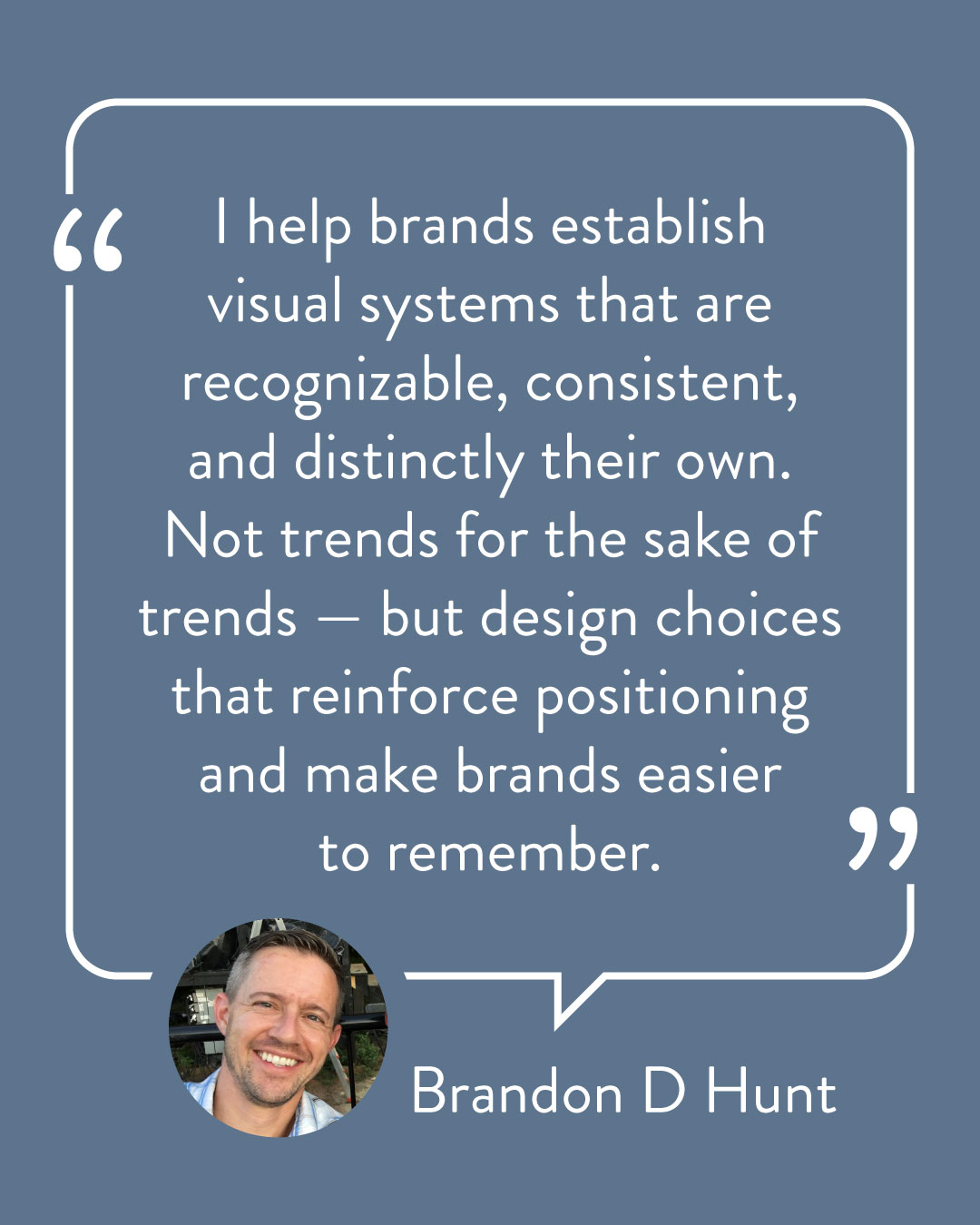
In competitive environments, standing out visually isn’t about being louder. It’s about being clearer, more confident, and more consistent than everyone else.
Design Builds Brand Loyalty
Trust is built through consistency.
When a brand looks and feels the same across every touchpoint, it becomes familiar. Familiarity builds confidence. Confidence builds loyalty.
I design brands with long-term consistency in mind — ensuring that visuals, tone, and experience align wherever customers interact with the brand. When expectations are met again and again, people come back.
Strong brands don’t rely on constant reinvention. They rely on clarity and reliability.
The Bottom Line
Design is no longer a cosmetic layer added at the end of a project.
In 2026, design is a strategic lever that influences perception, experience, differentiation, and loyalty. When aligned with business goals, it becomes a measurable driver of growth.
If your design isn’t actively supporting your strategy, it’s time to rethink how you’re using it.