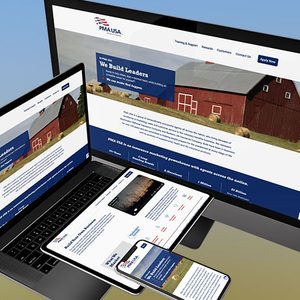

The end of the year is a natural time to reflect on the work we’ve completed, the clients we’ve supported, and the projects we’d like to pursue next.
For designers and creative businesses, it’s also an opportunity to revisit one of our most important marketing tools: the portfolio.
A portfolio is more than a collection of finished projects. It communicates your expertise, demonstrates your approach, and helps prospective clients decide whether you’re the right person for their next project.
But portfolios can become outdated surprisingly quickly.
As your skills evolve and your business grows, the work you showcased two years ago may no longer represent the services you want to provide.
Before 2027 arrives, here’s how I’d approach a strategic portfolio refresh.
1. Start with the clients you want to attract
Before changing your website or removing projects, ask yourself a simple question:
What kind of work do I want to do more of?
Maybe you want to attract larger branding projects, develop more websites, collaborate with nonprofit organizations, or establish longer-term creative partnerships.
Your portfolio should support that direction.
If your goal is to attract clients seeking comprehensive branding services, a portfolio dominated by isolated social media graphics might not communicate the full scope of your capabilities.
That doesn’t mean those projects aren’t valuable.
It means you need to consider how each example contributes to the overall story you’re telling.
Identify your desired audience, the challenges they face, and the expertise they’re likely to value.
Then evaluate your portfolio through that lens.
2. Be selective about the work you showcase
One of the most difficult parts of refreshing a portfolio is deciding what to remove. We become attached to projects for different reasons, whether they represent major milestones, involve exciting clients, or showcase particularly interesting creative challenges. However, a portfolio isn’t meant to preserve every accomplishment. It should communicate your current capabilities, expertise, and the direction you want your business to take.
As you review your work, consider whether each project reflects the services you want to offer and demonstrates the skills or strategic capabilities you want prospective clients to recognize. Evaluate the quality of its presentation compared to your more recent work, and think about whether someone unfamiliar with the project would understand its significance and the value you contributed.
You don’t necessarily need dozens of examples to make a strong impression. A smaller collection of thoughtfully selected and well-presented projects can communicate your expertise more effectively than an extensive gallery that lacks context or a clear direction.
3. Turn project galleries into meaningful case studies
Beautiful images are important, but they rarely explain the complete value of a design project.
Prospective clients may want to understand how you approach challenges, collaborate with stakeholders, and translate business objectives into creative solutions.
That’s where case studies become valuable.
I recommend organizing them around three elements:
- The challenge: What problem was the client trying to solve?
Perhaps the existing brand identity was inconsistent, the website needed better navigation, or the business was entering a new market. - The approach: What informed your creative decisions?
Explain the research, strategic considerations, and design principles that shaped the work. - The solution: Show the finished creative and explain how it addressed the original challenge.
When reliable performance data is available, include it with appropriate context. If results weren’t measured, focus on the documented deliverables and design decisions instead.
The goal is to help prospective clients understand what working with you could look like.
4. Refresh the presentation, not just the projects
Even excellent work can lose impact when it’s poorly presented.
Review your portfolio’s visual consistency.
Are project images high-quality? Do mockups feel current? Are layouts easy to navigate? Is there enough whitespace to let the work stand out?
Think about the order of your projects, too.
Your strongest and most relevant examples should be easy to find.
I also recommend reviewing the portfolio on a mobile device.
A layout that looks beautiful on a large monitor may become difficult to navigate on a smaller screen.
Check image quality, text readability, page performance, and the overall experience.
Your portfolio website is itself an example of your design capabilities.
Treat it accordingly.
5. Make your positioning unmistakable
One of the most common challenges I see in creative marketing is relying too heavily on a list of services.
Branding. Graphic design. Websites. Art direction.
These descriptions explain what a designer does, but they don’t necessarily communicate the value of working with them.
Think about the business problems your services help address.
Branding can create a more consistent identity. Website design can improve how customers discover and interact with a business. Art direction can bring cohesion to campaigns that span multiple channels.
Your messaging should connect your capabilities to the challenges your ideal clients are trying to solve.
That doesn’t mean filling your website with complicated marketing language.
Quite the opposite.
Clear, specific messaging makes your expertise easier to understand.
6. Review the path from portfolio to inquiry
Imagine a prospective client finds your work, likes what they see, and wants to learn more.
What happens next? Can they easily find your services? Is your process explained? Is there a clear way to get in touch?
A portfolio shouldn’t leave interested visitors searching for the next step.
Review your navigation, contact information, and calls to action.
Make it easy for prospective clients to understand how a project begins.
You may also want to revisit your inquiry process to ensure you’re gathering the information needed to have productive initial conversations.
A thoughtful experience helps establish expectations from the beginning.
7. Build a habit of ongoing updates
An end-of-year refresh is valuable, but portfolio maintenance shouldn’t happen only once a year.
As new projects are completed, evaluate whether they deserve a place in your portfolio.
Update older case studies when relevant information becomes available. Review your positioning as your business evolves.
And pay attention to the questions prospective clients ask.
If people consistently misunderstand your services or struggle to find certain information, your website may need clearer communication.
Small, regular improvements can prevent the need for a major overhaul later.
Your portfolio should reflect your next chapter
As we prepare for 2027, I encourage designers and creative business owners to look beyond the question of whether their portfolios look good.
Ask whether they communicate the right expertise, attract the right audience, and create opportunities for meaningful conversations.
The strongest portfolio isn’t necessarily the one with the most impressive visuals or the largest collection of projects.
It’s the one that clearly connects your experience with the work you want to pursue next.
If your business has evolved but your brand or website hasn’t kept up, this is a great time to reconsider how you’re presenting yourself.
Let’s create a brand experience that reflects where you’re headed.